
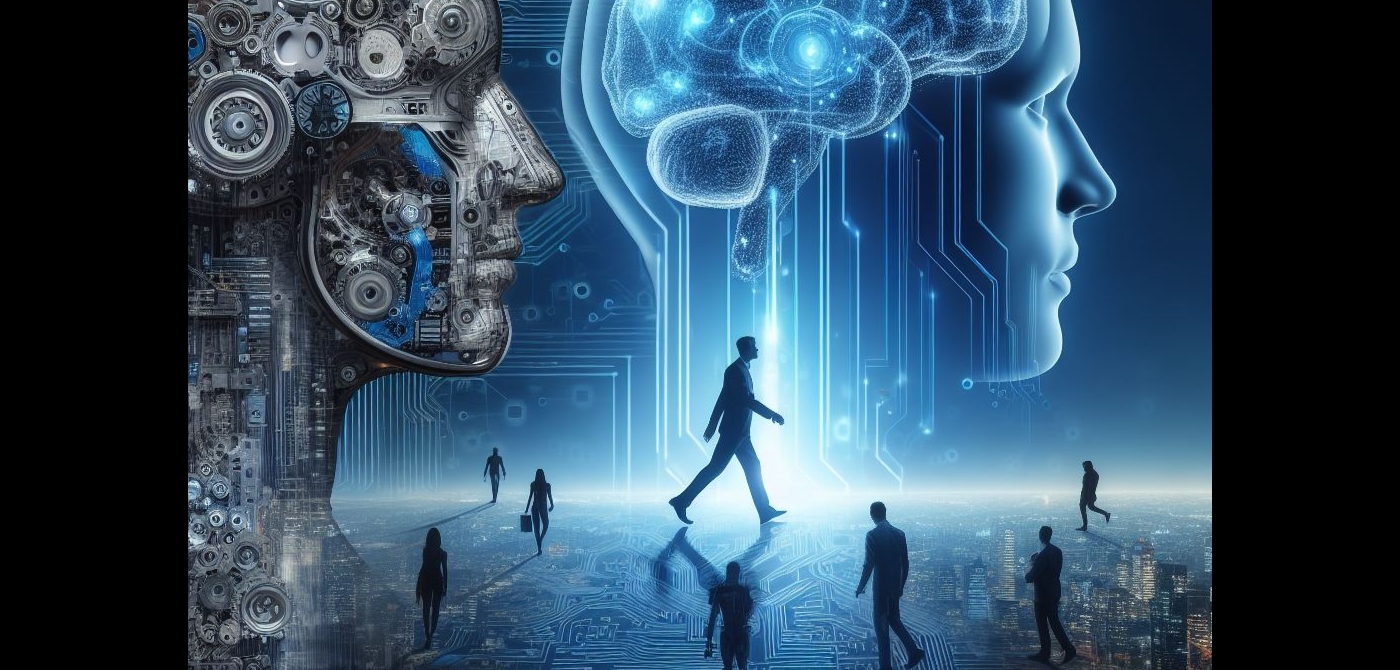
Artificial Intelligence (AI) is no longer a futuristic concept; it’s a technology shaping our present and future. From enhancing daily conveniences to solving complex global challenges, AI has woven itself into the fabric of modern life. For beginners, understanding what AI is and how it works can be daunting, but grasping its fundamentals and applications is AI essential for navigating today’s tech-driven world.
What is Artificial Intelligence?
Artificial Intelligence refers to the simulation of human intelligence by machines, enabling them to perform tasks that typically require human cognition. These tasks include learning, reasoning, problem-solving, perception, and language understanding. AI operates through algorithms and data, with systems trained to recognize patterns and make predictions. Subfields like machine learning (where AI improves through experience) and deep learning (using neural networks to mimic the human brain) are integral to AI’s evolution.
Everyday Applications of AI
AI is already a part of our daily routines, often in ways we don’t immediately recognize. Virtual assistants like Siri and Alexa use AI to process voice commands, while recommendation engines on platforms like Netflix and Amazon suggest content tailored to user preferences. Navigation apps like Google Maps rely on AI to analyze traffic patterns and provide optimal routes. Even spam filters in email accounts use AI to identify and block unwanted messages. These applications make life more convenient and efficient.
AI in Industries
Beyond personal use, AI is transforming industries on a massive scale. In healthcare, AI assists in diagnosing diseases, predicting outbreaks, and personalizing treatments. In finance, AI detects fraudulent activities and automates trading. Retailers use AI for inventory management and personalized marketing, while manufacturers employ AI-driven robots for precision tasks. The education sector leverages AI for personalized learning experiences, adapting teaching methods to individual students’ needs. Each application showcases AI’s versatility and potential for driving progress.
Benefits and Opportunities
AI’s ability to process vast amounts of data and uncover insights offers immense benefits. In agriculture, AI helps optimize crop yields by analyzing weather patterns and soil conditions. In environmental conservation, AI monitors deforestation and predicts natural disasters. The automation of repetitive tasks allows businesses to improve efficiency and focus on innovation. Furthermore, AI has the potential to address global challenges, from climate change to healthcare disparities, making it a powerful tool for societal advancement.
Challenges and Ethical Considerations
Despite its advantages, AI raises important challenges and ethical questions. Bias in algorithms, stemming from flawed or unrepresentative data, can lead to unfair outcomes. Privacy concerns emerge when personal data is used without consent. Additionally, the rise of automation may displace jobs, creating a need for reskilling and new employment strategies. As AI grows more autonomous, ensuring accountability and transparency in decision-making becomes critical. Addressing these challenges requires collaborative efforts among developers, policymakers, and communities.
The future of AI
As AI continues to evolve, its applications will expand further, driving innovation and shaping industries. From self-driving cars to AI-assisted medical breakthroughs, the possibilities are vast. For beginners, understanding AI isn’t just about grasping its current uses—it’s about preparing for a future where AI plays a central role in society. By learning about AI’s capabilities and limitations, individuals can better appreciate its potential and contribute to its responsible and ethical development.
Artificial Intelligence is a transformative force that offers both opportunities and challenges. As a beginner, diving into its fundamentals opens the door to understanding a technology that’s revolutionizing the world. With its ability to learn, adapt, and solve problems, AI is poised to redefine how we live, work, and think in the years to come.