
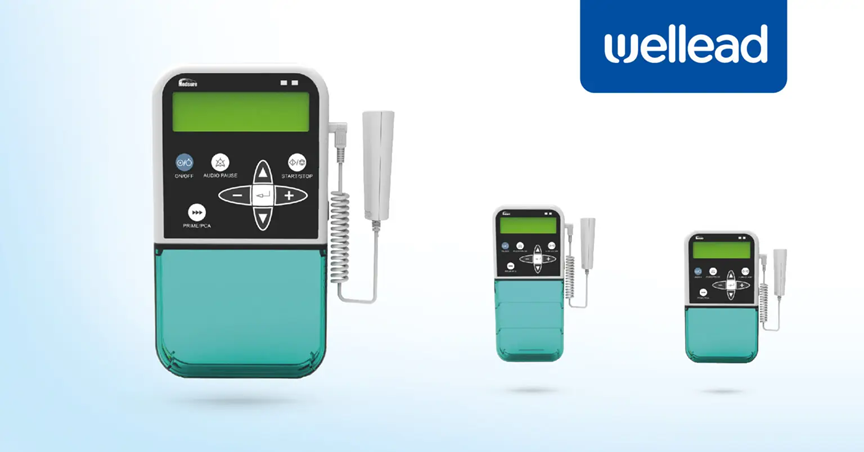
Revolutionizing the delivery of medical therapies, the ambulatory pump represents a pivotal innovation in patient-centered care. This technology fundamentally shifted treatment paradigms by liberating patients from stationary intravenous poles and confined clinical settings. By enabling continuous drug infusion outside of a hospital, these devices granted individuals the profound freedom to maintain their daily routines, work, and family life while managing serious health conditions. The development of the ambulatory infusion pump stands as a testament to engineering’s power to humanize medicine and enhance quality of life.
From Stationary to Mobile: A Historical Leap in Treatment
The journey of the ambulatory pump began as a solution to a critical challenge: how to administer continuous medication without sacrificing patient mobility. Following the commercialization of the first electric infusion pumps in the 1960s, a significant breakthrough occurred in 1970 with Dean Kamen’s invention of the first portable pump. This pioneering device established the core principle that defines the category today—safe, precise, and continuous delivery of medication that fits into a patient’s life, rather than dictating it. This historical leap transformed treatments for countless individuals, making long-term therapies for chronic pain or cancer more manageable and less disruptive.
Modern Intelligence in Drug Delivery Systems
Today’s ambulatory infusion pumps are sophisticated smart systems that extend far beyond simple portability. Modern units integrate advanced features such as precise flow rate control, programmable dosing schedules, and comprehensive safety monitoring, including occlusion alarms and air-in-line detection. Their application spans critical areas including oncology chemotherapy, parenteral nutrition, and pain management. This intelligent design ensures therapeutic efficacy while prioritizing patient safety, allowing for complex regimens to be administered in the comfort of a patient’s home. The ongoing innovation in this field by medical device manufacturers continues to refine the balance between powerful clinical performance and user-friendly operation.
Conclusion
In conclusion, the ambulatory pump is more than a mere convenience; it is a critical tool that supports both clinical outcomes and psychological well-being. By empowering patients with mobility and autonomy during treatment, it reduces the burden of disease and fosters a more normal living experience. The continued evolution of this technology promises even greater integration of care into daily life, underscoring a commitment to patient-centric innovation in the medical field. Companies like Well Lead Medical contribute to this progress by developing reliable and advanced medical devices that support these treatment goals.