
Best Noodle Manufacturer: How Production Standards Shape Quality, Consistency, and Global Distribution
Noodle quality is influenced by far more than the ingredients listed on a package. Texture, cooking performance, shelf stability, and food safety all depend on decisions made throughout the manufacturing process. As international demand for convenient noodle products continues to develop, food businesses must pay closer attention to production capabilities and quality management.
An experienced OEM noodle manufacturer can help brands translate market requirements into products with consistent characteristics while adapting formulations to different consumer preferences. Understanding the technical factors behind noodle production also makes it easier for importers and distributors to evaluate manufacturing partners.
Understanding the Factors Behind Noodle Quality
Noodle texture is one of the most noticeable characteristics influencing consumer satisfaction. Depending on the product category, consumers may prefer a firm bite, a smooth surface, or a softer consistency after cooking. These qualities are affected by flour composition, moisture content, mixing intensity, and processing conditions. Protein content, in particular, influences gluten development, which contributes to elasticity and structural strength. Manufacturers must balance these variables according to the intended noodle style rather than rely on a single formulation for every product.
Water distribution during dough preparation deserves similar attention. Uneven hydration can produce inconsistent dough structures, resulting in noodles with varying thickness or cooking behavior. Mixing time and resting conditions also influence how flour proteins interact with water. If these stages are poorly controlled, the finished product may become brittle, overly soft, or difficult to process. Accurate ingredient measurement and standardized preparation procedures help maintain predictable results across production batches.
Another important consideration involves drying and moisture management. Fresh, dried, and instant noodles require different processing approaches because their intended storage conditions vary considerably. Excessive drying may affect texture, while insufficient moisture reduction can create difficulties during storage. Temperature, airflow, and processing duration must be adjusted to suit the formulation. These technical details explain why product evaluation should include both physical appearance and cooking performance instead of relying exclusively on visual inspection.
Production Technology and Manufacturing Efficiency
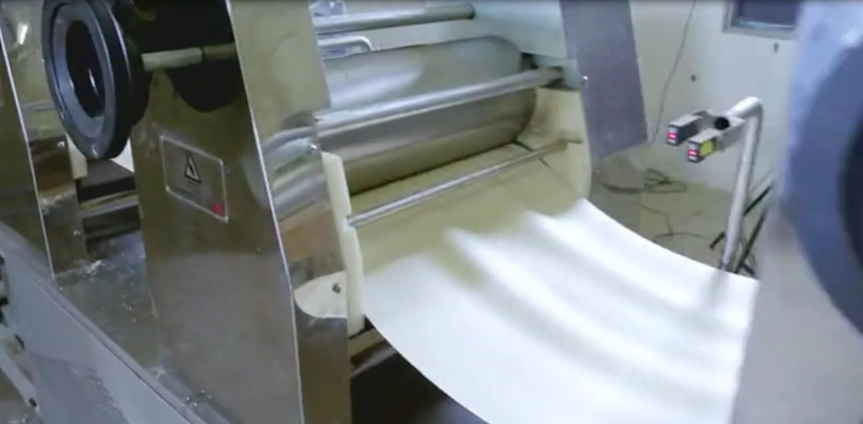
Industrial noodle manufacturing involves several connected operations, including ingredient preparation, dough mixing, rolling, cutting, steaming, drying, and packaging. Each stage contributes to the characteristics of the finished product. Automated equipment helps regulate processing parameters and reduces variations caused by inconsistent manual handling. However, automation alone does not determine product quality. Equipment calibration, maintenance schedules, and operator supervision remain essential components of a reliable manufacturing system.
Production capacity also influences how manufacturers organize their operations. Large-volume orders require coordinated material procurement, production scheduling, inventory management, and quality inspections. Insufficient capacity may result in extended delivery periods, while poorly planned production can create unnecessary inventory pressure. Businesses evaluating suppliers should consider actual production output alongside facility size, equipment configuration, and the ability to accommodate different order quantities.
JOLION Foods operates a 20,000-square-meter factory equipped with six fully automated production lines and an annual production capacity of 15,000 tons. Its manufacturing portfolio includes products supported by international certifications such as BRC, HACCP, KOSHER, FDA, HALAL, SGS, and ISO. These credentials and production resources provide useful reference points for businesses assessing the operational capabilities of a potential manufacturing partner. Buyers should also examine whether the relevant certifications apply to the specific products and facilities involved in their orders.
Food Safety and International Market Requirements
Food safety management extends across the entire manufacturing chain, beginning with raw material selection and continuing through processing, storage, and transportation. Flour, water, oils, seasonings, and other ingredients should undergo appropriate inspections before entering production. Suppliers also need documented procedures for handling materials, monitoring production environments, and tracing individual batches. Such practices make it easier to identify the source of irregularities and respond to quality concerns.
Different export destinations may impose distinct regulatory requirements on packaged food products. Labeling rules, ingredient declarations, allergen information, nutritional details, and permitted additives can vary between markets. Importers should understand these requirements before finalizing product specifications. Packaging language and nutritional information deserve particular attention because errors may delay customs clearance or require costly label modifications. Early communication between manufacturers and buyers can reduce these administrative complications.
Shelf-life testing is another essential part of international distribution planning. Temperature fluctuations, humidity, packaging materials, and transportation duration may influence the condition of noodle products during transit. Moisture-resistant packaging can help protect dried varieties, while appropriate storage instructions provide additional guidance for distributors and retailers. Manufacturers should establish shelf-life information through suitable testing rather than relying on assumptions based solely on similar products. A well-documented quality system gives importers greater visibility into how products are handled before reaching their destination.
Conclusion
A capable noodle manufacturing operation combines technical knowledge, production discipline, food safety management, and an understanding of international trade requirements. Businesses searching for an OEM noodle supplier should look beyond advertised capacity and examine formulation flexibility, processing controls, documentation, and export experience. These factors have a direct influence on the consistency of products entering different markets.
With its established factory infrastructure and range of international certifications, JOLION Foods offers a manufacturing option for businesses exploring customized noodle production. Careful supplier assessment allows food brands to develop products that reflect their market positioning while maintaining practical standards throughout the supply chain.


Post Comment