
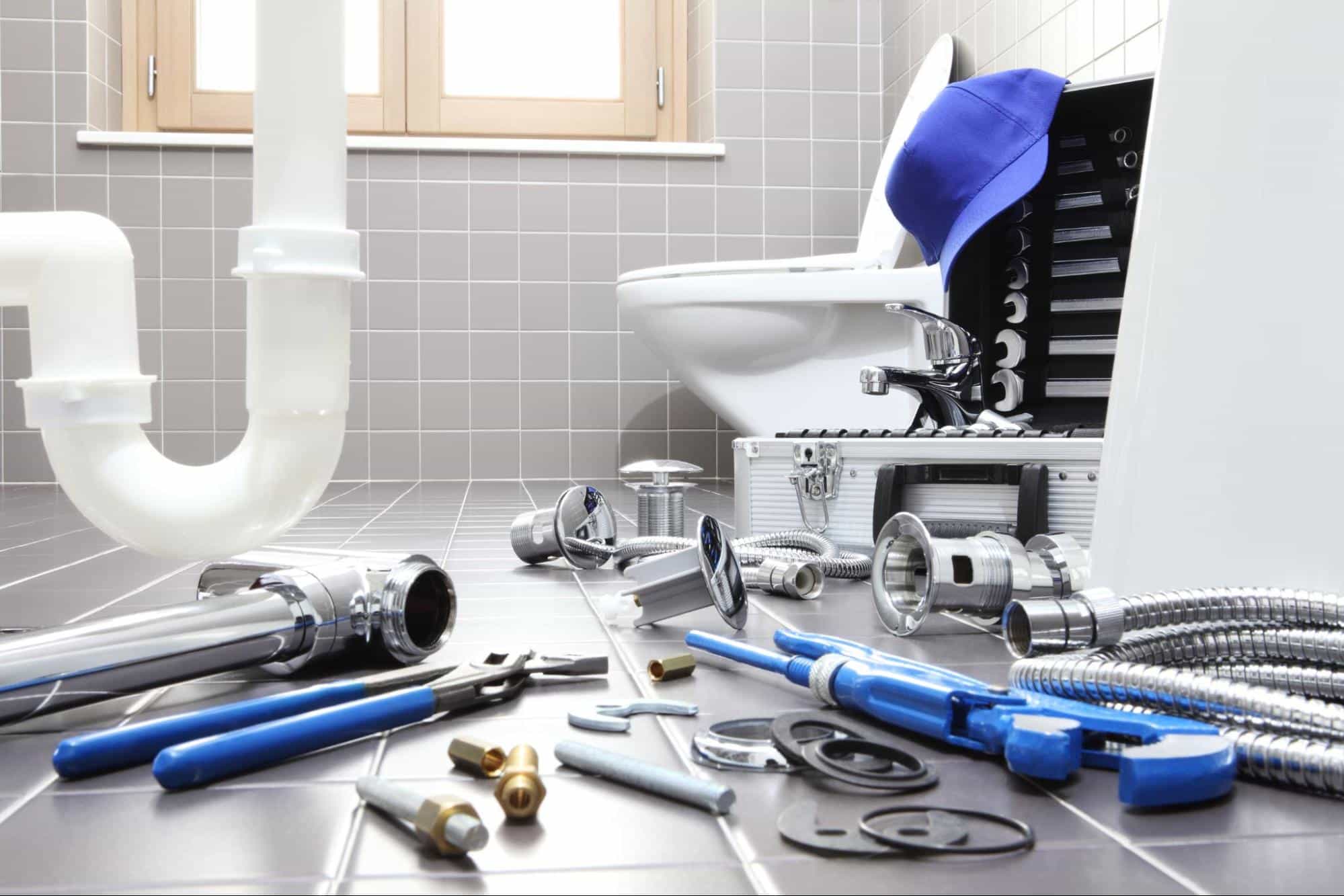
Plumbing issues are an inevitable part of owning or managing a property. Whether you’re dealing with a minor leak under the sink or a major pipe burst that Plumbing issues floods your basement, plumbing problems can disrupt daily routines and cause significant damage if not addressed quickly. One of the most frustrating aspects of plumbing issues is how they often go unnoticed until they escalate into larger problems. A slow-draining sink, a slight water stain on the wall, or a dripping faucet may seem like small annoyances, but they can be early signs of underlying issues within your plumbing system. Ignoring these early warnings can lead to much bigger—and costlier—repairs down the road.
One of the most common plumbing issues faced by homeowners is clogged drains. Over time, debris such as hair, soap scum, food particles, and grease can accumulate in the pipes, slowing down the water flow and eventually leading to a complete blockage. This problem is not just limited to the kitchen or bathroom; even your main sewer line can become clogged due to the buildup of waste or tree roots invading the pipes. Clearing a clogged drain might seem like a simple DIY task, but sometimes these blockages are deep within the system and require professional equipment to remove. Moreover, repeated clogs could be a symptom of a more serious structural issue in your plumbing that needs a comprehensive inspection.
Leaking pipes are another significant plumbing issue that can lead to water damage, mold growth, and increased utility bills. Leaks can occur due to corrosion, high water pressure, shifting foundations, or poor installation. In older homes, outdated materials like galvanized steel or polybutylene are especially prone to cracking or breaking over time. A small leak might seem insignificant at first glance, but over time it can compromise the integrity of your walls, floors, and even your electrical systems. Identifying the source of the leak and replacing or repairing the damaged sections of piping is crucial for preserving the safety and structure of your home.
Water heater problems also rank high on the list of frequent plumbing issues. There’s nothing more frustrating than stepping into a shower expecting hot water only to be met with a blast of cold. Water heaters can malfunction due to sediment buildup, worn-out heating elements, or faulty thermostats. In some cases, water heaters might even begin to leak, which can cause serious flooding if left unchecked. Regular maintenance, such as flushing the tank and checking the anode rod, can help extend the life of the appliance and prevent unexpected breakdowns. However, if your water heater is over ten years old and exhibiting signs of failure, it may be more cost-effective to replace it with a newer, energy-efficient model.
Low water pressure is another plumbing issue that can affect the functionality and comfort of your household. Weak water flow in showers or sinks can be caused by anything from a clogged aerator to hidden pipe leaks or problems with the municipal water supply. While it’s often a nuisance, low water pressure may indicate serious problems like pipe corrosion or blockages deep within your plumbing system. It’s essential to diagnose the root cause rather than just treat the symptom. Hiring a licensed plumber to inspect your plumbing layout can help identify where pressure is being lost and offer permanent solutions to restore normal flow.
In conclusion, plumbing issues are more than just household inconveniences—they’re potential threats to your property’s safety and value. The key to managing plumbing issues effectively is early detection and timely intervention. Routine maintenance, attention to warning signs, and enlisting the help of a professional plumber when needed can save you time, money, and stress. While some minor problems can be tackled with a bit of DIY knowledge, larger issues should always be left to experts to ensure the job is done safely and correctly. By staying proactive and informed, you can protect your home from the costly consequences of unchecked plumbing problems.